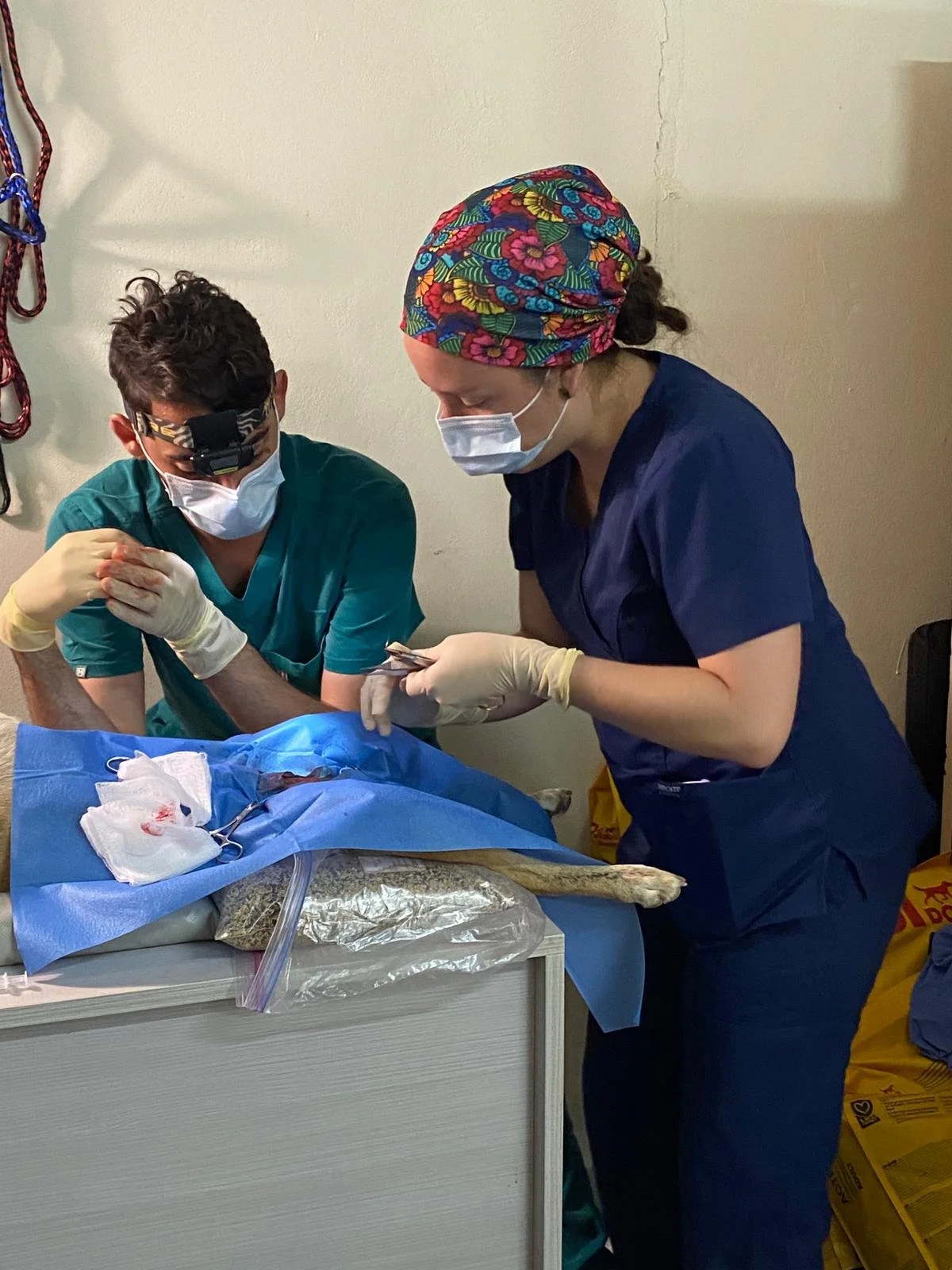
Trap-Neuter-Return
Trap-Neuter-Return (TNR) is the method of humanely trapping community cats, having them spayed or neutered and vaccinated against rabies, and then returning them to their managed location to live out their lives. TNR also involves a cat caretaker who provides food and monitors the cats' wellbeing as well as identifying and quickly trapping new intact cats. TNR has been shown to be the most humane, efficient way of stabilizing community cat populations. By sterilizing at least 75% of cats in a group within a six-month period (and continuing to sterilize at least 75% of the remaining intact cats), TNRM helps stabilize the population of community cats and, over time, reduce the number of cats. The goal is to sterilize all cats present and monitor the location for any intact newcomers. Nuisance behaviors such as spraying, excessive noisemaking and fighting are also largely eliminated and no additional kittens are born.
By stabilizing the population, cats will naturally have more space, shelter and food and fewer risks of disease. After being spayed or neutered, cats living in a managed group tend to gain weight and live healthier lives. Spayed cats are less likely to develop breast cancer and will not be at risk for ovarian or uterine cancer, while neutered males will not get testicular cancer. Neutering male cats also reduces the risk of injury and infection, since intact males have a natural instinct to fight with other cats. Spaying also means female cats do not go into heat. That means they attract fewer tom cats to the area, which reduces fighting and mating.
Source: https://www.aspca.org/helping-people-pets/shelter-intake-and-surrender/closer-look-community-cats